2026 Election Information & Candidate Guide
Be Informed. Be Engaged. Vote.
The Greater Mason City Chamber of Commerce believes a strong business community depends on an informed and engaged community. Civic engagement is one of the Chamber’s strategic priorities, and part of that work is helping our members and residents understand how to participate in the decisions that shape our region.
This page is designed to make election information easy to find in one place. Below, voters can access official voting resources from the Cerro Gordo County Auditor’s Office and learn more about candidates seeking to represent our area at the county, state, and federal levels.
Election Day: Tuesday, November 3, 2026
Polls are open from 7AM-8PM.
Voting Information
Official election information is provided by the Cerro Gordo County Auditor’s Office.
Find Your Polling Place
Not sure where to vote? Use the County Auditor’s polling place lookup to find the correct location based on your address.
View Your Sample Ballot
See what will appear on your ballot before Election Day. Sample ballots are available by precinct.
Check Your Voter Registration
Confirm that you are registered to vote and review voter registration information.
Voting Early or Absentee
Learn about in-person absentee voting, absentee ballot requirements, deadlines, and how to track an absentee ballot.
Voter ID Information
Review Iowa’s voter identification requirements and acceptable forms of identification before heading to the polls.
Additional Election Information
Visit the Cerro Gordo County Auditor’s Elections & Voting page for election dates, precinct information, election results, registration resources, military and overseas voting information, and other election resources.
Meet the Candidates
County Candidates
We asked each candidate:
- What do you see as the most important issue facing businesses and employers in Cerro Gordo County, and what role should county government play in addressing it?
- How would you approach county decisions involving taxes, infrastructure, public services, and economic development to help create a competitive environment for businesses and future investment?
- Workforce availability continues to be a challenge for employers. What can county government do to help make Cerro Gordo County a place where people want to live, work, and build a career?
Candidate responses are published as submitted and have not been edited for content. Candidates are listed in alphabetical order. All candidates for the offices included below were invited to participate.
Board of Supervisors (District 2)
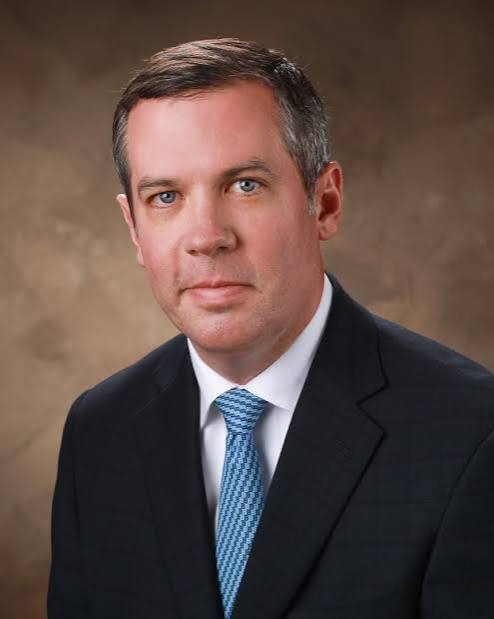
Casey Callanan (R)
Question #1 – What do you see as the most important issue facing businesses and employers in Cerro Gordo County, and what role should county government play in addressing it?
Workforce, skilled labor, and housing. I see these challenges every day in my own business and through the clients I work with, and the theme is consistent across virtually every business and industry in North Iowa.
County government should take a supporting role wherever it reasonably can. Our responsibility is to ensure county policies do not create unnecessary obstacles for private enterprise, while supporting policies and partnerships that encourage business growth, investment, and job creation.
Ultimately, the private sector creates the jobs and drives our economy. County government’s role should be to help create an environment where businesses can succeed, grow, and continue investing in Cerro Gordo County.
Question #2 – How would you approach county decisions involving taxes, infrastructure, public services, and economic development to help create a competitive environment for businesses and future investment?
I would approach these decisions the same way I have since being elected: with fiscal responsibility, a focus on core county services, and an understanding that a healthy business climate benefits everyone in Cerro Gordo County.
I have supported increased funding for the North Iowa Corridor, our local economic development organization, as well as partnerships with our chambers of commerce to address many of the challenges facing our businesses and workforce.
At the same time, Cerro Gordo County has remained fiscally responsible. Of the three primary local taxing entities—the county, the cities, and the school districts—the county has the lowest tax levy. During my time in office, we have been able to lower the county tax levy while continuing to provide effective and efficient services and making important investments in our infrastructure, including roads, bridges, and bike trail amenities.
I believe we can be both fiscally responsible and forward-looking. Good infrastructure, responsible taxation, quality public services, and thoughtful economic development all contribute to creating a competitive environment that encourages businesses to invest and people to build their futures here.
Question #3 – Workforce availability continues to be a challenge for employers. What can county government do to help make Cerro Gordo County a place where people want to live, work, and build a career?
This is an area where I believe county government can make a meaningful difference by supporting the organizations and initiatives already working to address these challenges.
We need to continue investing in workforce development and affordable housing. Supporting NIACC and the Pappajohn Entrepreneurial Center is an important part of that effort, as is supporting the North Iowa Corridor as it works with our local schools and young people to make them aware of the many career opportunities available right here in North Iowa.
A four-year college degree is not the only path to a successful career. We need to do a better job highlighting opportunities in the building trades, diesel mechanics, electrical work, plumbing, health care, manufacturing, and other skilled professions that offer good-paying careers and opportunities for advancement.
Cerro Gordo County also served as the fiscal agent for the North Iowa Corridor Workforce Housing Initiative, which brought together federal and state resources to address our housing needs. I was involved in those discussions, supported the initiative, and am proud that it has helped make several million dollars available for additional affordable housing initiatives.
Ultimately, we have to do everything within our reach to make Cerro Gordo County a place where young people want to stay, return to, and build their lives.
My wife and I were both born and raised in Cerro Gordo County. We were fortunate to build our careers in a community we both love. I want to make sure that the next generation has that same opportunity—to work, live, raise a family, and build a successful future right here in Cerro Gordo County.

Cody Williams (D)
Question #1 – What do you see as the most important issue facing businesses and employers in Cerro Gordo County, and what role should county government play in addressing it?
I believe one of the biggest challenges facing our employers is finding good employees, keeping them here, and attracting new people and families to North Iowa.
As a small business owner, I deal with these challenges firsthand. Growing Turning Leaf Counseling from a small practice into an organization with approximately 20 clinicians has taught me that recruiting someone is only part of the challenge. We also must give people a reason to stay.
That means creating a community and culture where younger generations can see themselves building a life. Good jobs matter, but so do opportunities to get involved, things to do as young adults, activities for families and children, and places where people can connect with one another.
County government can’t solve the workforce problem by itself, and I don’t think it should try to. But it can help create the conditions that make people want to live and work here: reasonable and predictable taxes, good roads and infrastructure, safe communities, housing opportunities, quality services, and cooperation with our cities, schools, colleges, businesses, and economic-development organizations.
I believe the county’s role should be to get the basics right and be a good partner rather than trying to be the solution to every problem.
Question #2 – How would you approach county decisions involving taxes, infrastructure, public services, and economic development to help create a competitive environment for businesses and future investment?
I would approach those decisions much like I approach decisions in my own business: look at the numbers, understand the long-term impact, prioritize what is necessary, and make sure we’re getting value for the money we’re spending.
I support maintaining strong roads, bridges, drainage systems, public safety, and other core county services. Those aren’t just government expenses, they’re part of the infrastructure businesses, farmers, employees, and families depend on every day.
When considering economic-development incentives, I think we need to ask practical questions: What is the return to taxpayers? How many quality jobs will actually be created? What infrastructure will the county be responsible for? What happens 10 or 20 years from now?
I’m open to economic-development opportunities, but I don’t believe taxpayers should simply write a blank check to attract development. Good projects should provide a real long-term benefit to the community.
Question #3 – Workforce availability continues to be a challenge for employers. What can county government do to help make Cerro Gordo County a place where people want to live, work, and build a career?
We must think about workforce as more than simply finding employees. Recruitment matters, but retention matters just as much.
People decide where to build their lives based on housing, schools, childcare, healthcare, public safety, recreation, career opportunities, and whether they feel connected to their community. I think we especially need to ask why our younger generations would choose to stay in North Iowa or why someone in their 20s or 30s would choose to move here.
Having a good job is important, but people also want a life outside of work. We need communities where young adults have things to do, opportunities to meet people and become involved, and activities they can enjoy with their children as they start families.
Creating that kind of culture and sense of community is an important part of workforce retention. If someone feels connected to where they live, has things they enjoy doing, and sees it as a good place to raise their children, they’re much more likely to put down roots.
I’ve seen different sides of this throughout my career working with families, teaching college students for 10 years, managing early childhood funding for 13 years, and now recruiting and retaining employees in my own business.
County government shouldn’t try to create all those opportunities itself. Its role should be to partner with our cities, NIACC, schools, the Chamber, economic-development organizations, local businesses, nonprofits, and community groups that are already doing this work.
We also need stronger connections between our young people, education, training, and local employers so they understand that there are good careers available right here in North Iowa.
Ultimately, I want Cerro Gordo County to be a place where someone can find a good job, afford a home, raise a family, be involved in their community, have things to do, and feel like they belong here.
State Candidates
We asked each candidate:
- What is the most significant challenge facing Iowa businesses today, and what action should the Legislature take to address it?
- How would you balance the need for a competitive tax and regulatory environment with investments in priorities such as workforce, child care, housing, education, and infrastructure?
- What is one policy or issue you believe could have the greatest impact on the ability of businesses in North Iowa to grow and compete over the next several years?
Candidate responses are published as submitted and have not been edited for content. Candidates are listed in alphabetical order. All candidates for the offices included below were invited to participate.
State Representative (District 59)
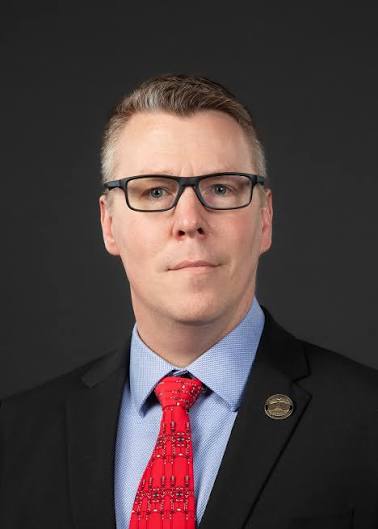
Christian Hermanson (R)
Question #1 – What is the most significant challenge facing Iowa businesses today, and what action should the Legislature take to address it?
The most pressing challenge facing Iowa employers is workforce availability and talent retention. Businesses across North Iowa are ready to expand and innovate, but finding qualified workers to fill critical roles remains an ongoing bottleneck.
The Legislature must continue addressing this through targeted, common-sense workforce initiatives. First, we need to continue expanding work-based learning, apprenticeships, and technical education partnerships between our K-12 schools, community colleges like NIACC, and local employers so students can step directly into high-demand careers right here at home. Second, we must keep Iowa competitive by reducing unnecessary regulatory barriers, streamlining professional licensing, and maintaining a low-cost, pro-growth economic climate that attracts skilled workers and keeps our young talent in Iowa.
Question #2 – How would you balance the need for a competitive tax and regulatory environment with investments in priorities such as workforce, child care, housing, education, and infrastructure?
Balancing fiscal discipline with essential public investment is at the core of sound governance. As Vice-Chair of the House Ways and Means Committee, my focus is always on responsible stewardship of taxpayer dollars. With that said, a competitive tax climate and quality core public services are not mutually exclusive; in fact, sustainable public investment depends entirely on a strong private economy.
When we keep taxes predictable and cut bureaucratic red tape, businesses invest capital and create jobs, broadening our tax base naturally without burdening families. That economic growth allows us to fund fundamental priorities responsibly. The Legislature must prioritize key pillars like reliable infrastructure, foundational K-12 education, and targeted public-private partnerships that address housing and child-care shortages, all while maintaining balanced budgets, secure rainy-day funds, and structural tax relief.
Question #3 – What is one policy or issue you believe could have the greatest impact on the ability of businesses in North Iowa to grow and compete over the next several years?
Targeted rural and regional economic development, particularly expanding attainable workforce housing and local infrastructure, will have the greatest impact on North Iowa’s long-term competitiveness.
Our local businesses can only recruit and retain the workforce they need if there are quality, affordable places for employees and young families to live in Mason City and our surrounding rural communities. By continuing to support programs that incentivize private investment in workforce housing, revitalizing downtown business districts, and ensuring our utility and transportation infrastructure remains first-class, we give North Iowa employers the foundation they need to compete effectively on a regional, state, and national scale.

State Representative (District 60)

Dani Ollenburg (R)
Question #1 – What is the most significant challenge facing Iowa businesses today, and what action should the Legislature take to address it?
The biggest challenge facing businesses currently, is workforce, finding and retaining employees while managing the rising cost of doing business. The legislature can take steps to address this by incentivizing growth and development.
Question #2 – How would you balance the need for a competitive tax and regulatory environment with investments in priorities such as workforce, child care, housing, education, and infrastructure?
I would start with responsible budgeting, clear priorities, and accountability for results. A competitive tax environment and strong communities both contribute to business growth. Employers need reasonable taxes and predictable regulations, and they also depend on educated workers, reliable infrastructure, and communities where families can afford to live.
I support reviewing existing spending and tax incentives, reducing duplication, and prioritizing investments that demonstrate a clear public benefit. Partnerships with employers, local communities, and education providers can help make those dollars go further. Any ongoing commitment should have a sustainable funding plan. We should protect taxpayers while making thoughtful investments that strengthen Iowa’s future.
Question #3 – What is one policy or issue you believe could have the greatest impact on the ability of businesses in North Iowa to grow and compete over the next several years?
The legislature passed a property tax reform bill last session that I believe could have a major impact on North Iowa’s ability to grow and compete. Property taxes affect the cost of owning a business, developing housing, and raising a family. Greater affordability and predictability would help employers plan investments and help communities attract and retain workers.

Alexander Schmidt (D)
Question #1 – What is the most significant challenge facing Iowa businesses today, and what action should the Legislature take to address it?
Attracting workers starts with providing a living wage. The affordability crisis is an income inequality crisis, and all Iowans deserve fair wages for fair work. The minimum wage in Iowa is set by statute from being greater than the federal wage, where it has remained at $7.25 since 2008. I believe this statute should be repealed and the wage adjusted to a living wage for all Iowans. The state’s minimum wage should keep pace with all factors including matching the federal minimum wage, but also considering worker production and inflation as factors when setting the wage.
Question #2 – How would you balance the need for a competitive tax and regulatory environment with investments in priorities such as workforce, child care, housing, education, and infrastructure?
There is more income and wealth inequality in this country than ever before in human history, including in this state. I believe our tax structure should be progressive to ensure all of us pay our fair share.Public-private partnerships should not be about finding the lowest bidder, but making the smartest investment in our state’s future. I think having a state government focused less on political cronyism and more on unity through civil service would be a good start.
Question #3 – What is one policy or issue you believe could have the greatest impact on the ability of businesses in North Iowa to grow and compete over the next several years?
I think providing for our rural public schools will be the great arbiter of our success in the future. If we don’t prepare for all students a good example of governance, how can we expect them to govern themselves?
Federal Candidates
We asked each candidate:
- What do you see as the most significant federal policy issue affecting businesses in North Iowa, and what would you do to address it?
- How should Congress approach issues such as taxes, regulation, workforce availability, trade, and infrastructure in order to strengthen the environment for business growth?
- North Iowa businesses range from small locally owned companies to manufacturers, agricultural businesses, and major employers. How would you ensure that the needs of communities like ours are represented in federal policy decisions?
Candidate responses are published as submitted and have not been edited for content. Candidates are listed in alphabetical order. All candidates for the offices included below were invited to participate.
U.S. Congress (Iowa District 2)
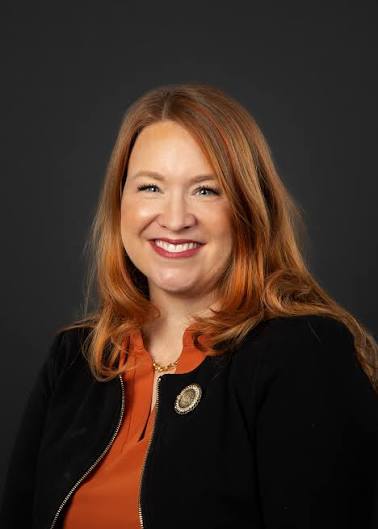
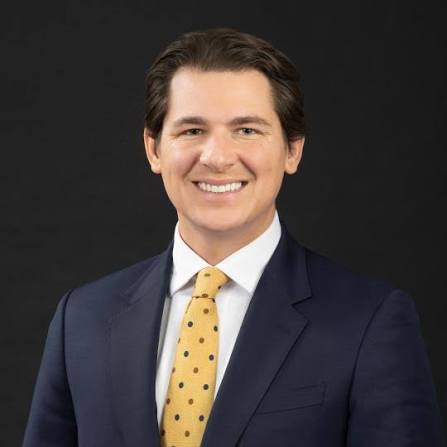
Joe Mitchell (R)
Question #1 – What do you see as the most significant federal policy issue affecting businesses in North Iowa, and what would you do to address it?
I’d be the only homebuilder in Congress if elected. The most significant issue affecting businesses and affordable housing in North Iowa is over-regulation. As someone who has built over 100 homes across North and Northeast Iowa, I have seen firsthand how unnecessary regulations burden producers and consumers alike. As I have toured small businesses in all 22 counties of IA-02, I’ve asked a simple question: once in Washington, what can I do to help? Time and time again, I’m told that the federal government simply needs to get out of their way.
Question #2 – How should Congress approach issues such as taxes, regulation, workforce availability, trade, and infrastructure in order to strengthen the environment for business growth?
Congress can do a number of things to strengthen the environment for business growth. If Congress lowers taxes and guts government corruption while supporting local small businesses and expanding pathways into careers that don’t require a four-year degree, we can achieve that end. We also need reliable energy, strong roads and bridges, and broadband that allows businesses in rural Iowa to compete. On trade, I support using America’s economic strength to negotiate better deals and protect American workers and producers. This trade policy ultimately strengthens American manufacturing as we’ve seen in Burlington, rather than making us dependent on foreign supply chains.
Question #3 – North Iowa businesses range from small locally owned companies to manufacturers, agricultural businesses, and major employers. How would you ensure that the needs of communities like ours are represented in federal policy decisions?
I would make sure that the people actually creating jobs and investing in these communities have a seat at the table. Federal policy should not be written solely from the perspective of Washington bureaucrats or large corporations. As a business owner in North Iowa, I understand firsthand how regulations and government decisions affect the people who are actually writing the checks, hiring employees, and taking risks. I decided not to take corporate PAC money because Iowa needs a representative that looks out for its interests — not big corporations or the special interests in DC. I would make sure those needs are represented when Congress considers taxes, regulations, agriculture, manufacturing, infrastructure, and workforce policy.
U.S. Senate (Iowa)
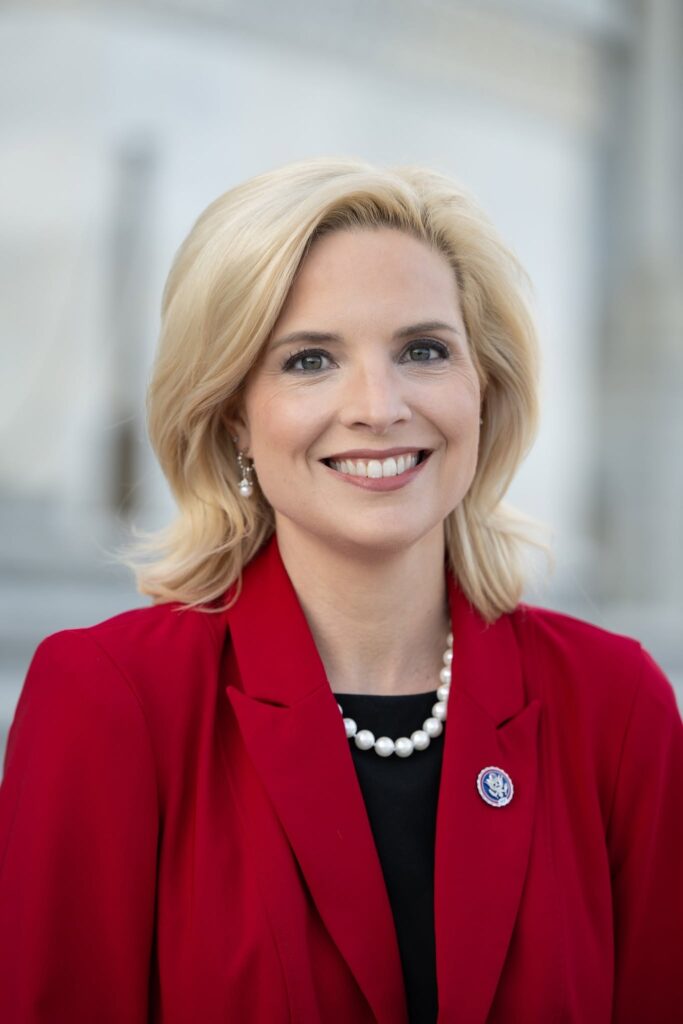
Ashley Hinson (R)
Question #1 – What do you see as the most significant federal policy issue affecting businesses in North Iowa, and what would you do to address it?
It’s no secret that we are losing out on our young people. Many graduate and move off to larger states. We must incentivize them to stay here for the long haul. I have fought for pro-worker, pro-family policies that help alleviate the burdens currently facing our families and make it easier for these folks to achieve the American dream. From expanding childcare access to lowering taxes, we have worked hard to make Iowa the best place to live, work, and raise a family. I will continue to advance these policies when elected to the United States Senate.
This includes policies to support childcare. I helped introduce the Child Care Modernization Act to improve federal programs to expand access to affordable, high-quality child care. I also backed the most significant bipartisan housing package in decades to stop Wall Street from buying up single-family homes and decrease barriers to growing the housing supply.
Question #2 – How should Congress approach issues such as taxes, regulation, workforce availability, trade, and infrastructure in order to strengthen the environment for business growth?
We need to empower Iowans to achieve their own version of the American dream, and this starts with engagement in our local communities. I believe it’s your money, not the government’s money. I was proud to support historic tax relief for Iowa families and businesses, providing long-term tax certainty and helping families keep more of what they earn. We should also be investing in our communities, and I’m proud to have secured millions in federal funding for Cerro Gordo County to support water infrastructure and workforce housing.
We also need to recognize the unique workforce needs for Iowans. A 4-year degree isn’t right for everyone. I want to use my platform to end that stigma and help connect Iowans with high-paying, in-demand jobs in their community. Iowa became the first state in the country to implement the Workforce Pell Grant Program, a key program I supported in Congress to help Iowans train for in-demand careers, earn a great paycheck, and avoid years of student debt.
Question #3 – North Iowa businesses range from small locally owned companies to manufacturers, agricultural businesses, and major employers. How would you ensure that the needs of communities like ours are represented in federal policy decisions?
Being accessible to Iowans is incredibly important. I’ve done the 22-County Tour in my Congressional district and will do the Full Grassley 99-County Tour as your next
Senator. I will always listen to Iowans and seek feedback from folks of all walks of life, industries, and communities. I’ll bring ideas directly from my constituents and transform those conversations into meaningful policies and solutions.
Since coming to Congress, I’ve worked to make sure rural America has a seat at the table. It’s vital that rural Iowans have the same access to services – education, healthcare, and childcare – that those in urban areas do. I’ve made that my mission as your Congresswoman and will continue to be an advocate for rural Iowa as your Senator.
Iowa businesses are the backbone of our economy. I’ve worked across the aisle to make small business tax relief permanent and to empower Iowa’s workforce to take on local job opportunities. My opponent supports a 50% corporate tax rate, which would devastate our business and ag community, push economic investment out of Iowa, and eliminate countless jobs and opportunities. I will always take Iowans’ feedback with me to Washington and get to work to solve problems and implement effective solutions.
About This Candidate Guide
All candidates included in this guide were invited to participate and were provided the same questions applicable to their race. Candidate responses are published as submitted, with only minor formatting edits if necessary for readability.
If a candidate did not provide a response by the publication deadline, the page will indicate “Candidate did not submit a response.”
The Greater Mason City Chamber of Commerce does not endorse candidates or political parties. This resource is intended to encourage informed participation in the electoral process and strengthen connections between the business community and those who seek to represent it.
For official election information, voting requirements, polling locations, ballots, and election results, please consult the Cerro Gordo County Auditor’s Office.